

Üretim Kapasitesi Garantisi – Büyük Ölçekli Üretim
Üretim üssümüz, Şangay, Songjiang Bölgesi, 58 No'lu Hongmudan Yolu'nda bulunmaktadır ve 13.000 metrekarelik büyük ölçekli bir atölye alanını kapsamaktadır. Müşterilerimizin büyük ölçekli üretim ihtiyaçlarını ve kalite gereksinimlerini aynı anda karşılayabilecek 180 çalışanımız ve yeni inşa edilmiş bir temiz atölyemiz var.
Gelişmiş Personel ve Ekipman – Yüksek Üretim Kalitesi
Baskı, otomatik kalıplı kesim, sıcak damgalama, otomatik film laminasyon ve otomatik kutu yapım makineleri de dahil olmak üzere eksiksiz bir gelişmiş üretim ekipmanı seti ile donatılmıştır. Ayrıca kağıt montajı, kutu yapıştırma ve çanta yapımı için kapsamlı ekipmanlara sahibiz. ISO9001 uluslararası standart kalite yönetim sistemi tarafından onaylanmış, sağlam bir kalite kontrol sistemimiz var.
Zengin Üretim Hatları – Farklı İhtiyaçları Karşılıyor
Esas olarak kutular (tian di gai kutuları), kitap tarzı kutular, çekmece kutuları, uçak kutuları, oluklu kutular, kağıt torbalar, çift kapılı kutular, çeşitli özelleştirilmiş özel şekilli kutular gibi farklı malzemelerden oluşan çeşitli ambalaj kutularının yanı sıra çeşitli kağıt ürünleri, akrilik baskılı ürünler, anime çevre ürünleri vb. işletiyoruz. Ayrıca tasarım, numune alma, sonuçlandırma, malzeme seçimi, tedarik, üretimden lojistiğe kadar eksiksiz bir tek elden hizmet sunuyoruz.

Ev Tekstili Ambalajı
Ev Tekstili Ambalajı Üreticiler
Ambalaj Kutuları: Koruma ve Temel Değer
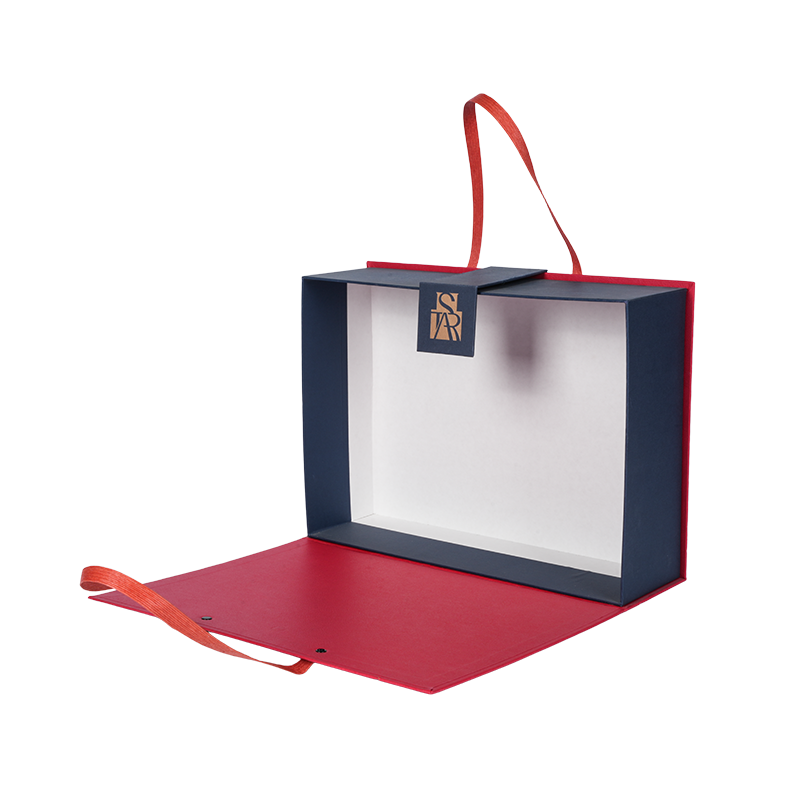
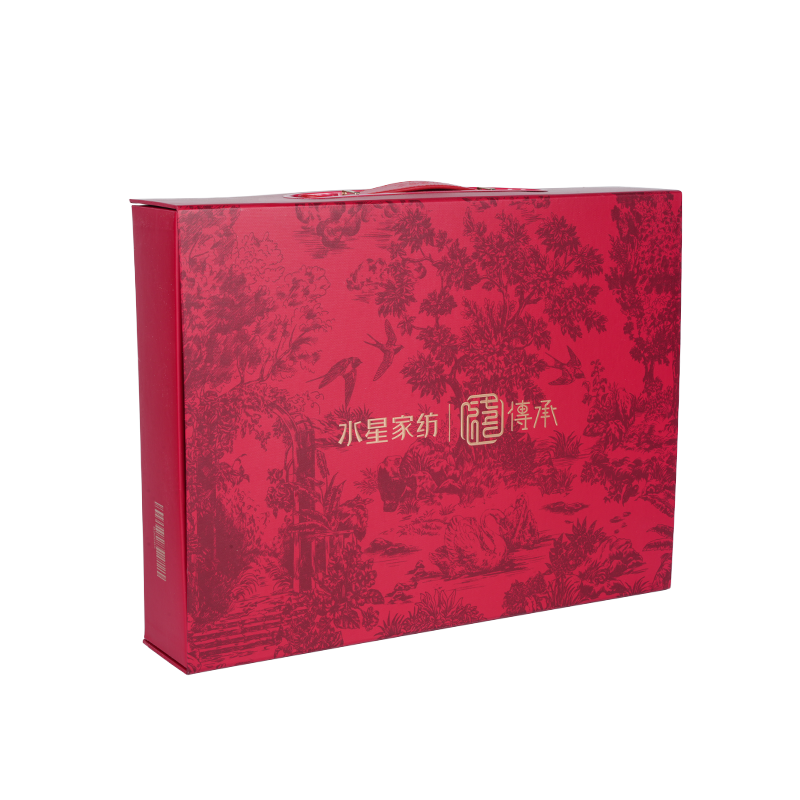
Ev tekstili ürünlerinin özelliklerini korumak üzere tasarlanan ambalajda neme dayanıklı dokumasız kumaş, su geçirmez kaplamalı kağıt kutular ve yumuşak astar malzemeleri kullanılarak nem ve toz engelleniyor; pamuk, ipek, kuş tüyü ve diğer kumaşların nemlenmesi, küflenmesi veya lekelenmesi önleniyor. Aynı zamanda yatak takımlarının ve perdelerin şeklinin korunmasına yardımcı olarak kullanım sırasındaki kırışıklıkları ve takılmaları azaltır.
Ambalaj güçlü bir yeniden kullanım değeri sunar. Fermuarlı hediye kutuları ve katlanabilir saklama kutuları sezonluk pratik depolama çözümleri olarak kullanılabilir. Vakumlu ambalajla eşleştirilen kağıt kutular, nakliye sırasında sıkıştırılmış yatakları korur ve ürün ömrünün uzatılmasına yardımcı olur.
Sıcak damgalama veya nakışla birleştirilmiş yapılandırılmış kutu tasarımı, hediye vermeyi ve marka özelliklerini geliştirir. Ekstra paketlemeye gerek kalmadan düğünler, yeni eve taşınma etkinlikleri ve bayram hediyeleri için uygundur. Kumaş bileşimi, boyutu ve yıkama talimatları, marka profesyonelliğini yansıtmak ve algılanan ürün değerini artırmak için açıkça işaretlenmiştir.
Çantalar: Taşınabilirlik ve Senaryo Uzantısı
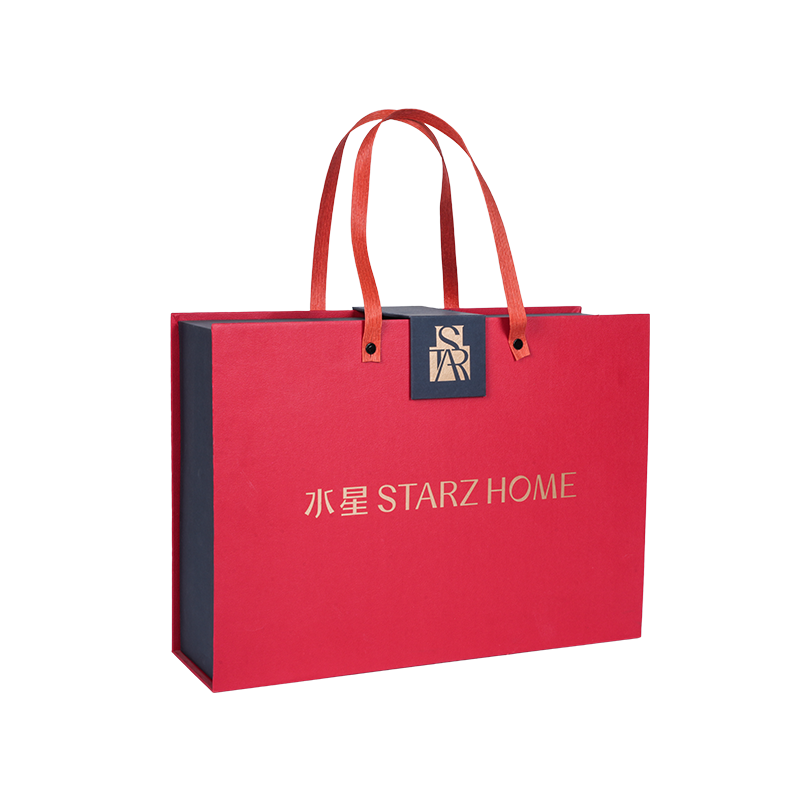
Çantalar tüketicinin taşıma ihtiyaçlarına hitap ediyor. Kalınlaştırılmış dokuma olmayan çantalar ve yük taşıyan yapıya sahip suya dayanıklı kağıt torbalar, nevresim takımlarının veya havlu takımlarının ağırlığını destekler. Geniş dokuma kulplar, satın alma sonrası taşıma için kolaylık sağlar ve kullanıcıların "alıp gitmeyi" tercih ettiği hediye verme ihtiyaçlarını karşılar.
Basılı marka logosu ve "pamuk antibakteriyel" veya "düğün koleksiyonu" gibi temel satış noktaları, yüksek frekanslı marka teşhiri yaratır. Çantalar açık havada taşındığında alışveriş merkezleri, yerleşim alanları ve kurye istasyonlarında mobil reklam görevi görerek marka görünürlüğünü artırıyor.
Ayrıca ek koruma da sağlarlar. Su geçirmez kaplamalar ve güçlendirilmiş malzemeler, iç ambalaj kutusunu küçük nem veya tozdan korur. Daha küçük el çantaları havlular ve yastık kılıflarıyla eşleşirken, daha büyük güçlendirilmiş seçenekler yatak takımları veya hafif yorganları barındırarak pratiklik ve estetik çekiciliği dengeliyor.
Her İkisini Birleştirmenin Gerekliliği
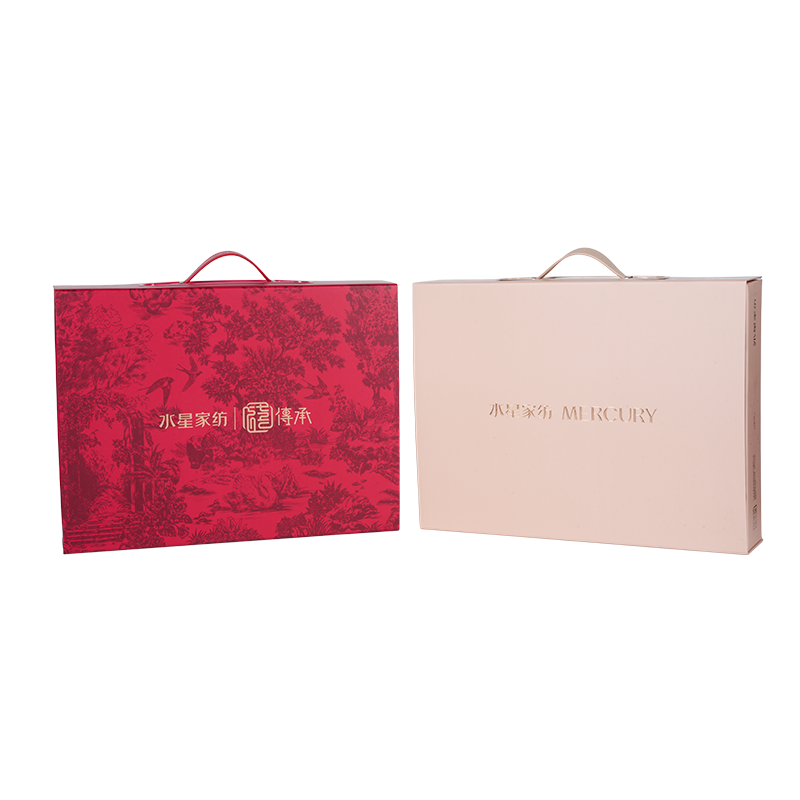
Eksiksiz bir paketleme çözümü tüm senaryoları kapsar. Kutu koruma, depolama ve hediye etme değeri sağlarken, el çantası taşınabilirlik, görüntüleme ve senaryo genişletme sağlar. Birlikte, satın alma işleminden nakliyeye, hediye vermeye ve uzun süreli depolamaya kadar tüm yolculuğu desteklerler. Bir bileşenin eksik olması tüketici deneyimini bozabilir; örneğin, el çantası olmadan hediye vermek zahmetli hale gelir ve kutu olmadan kumaşlar nemlenebilir veya kırışabilir.
Kombinasyon, alıcının karar verme sürecini güçlendirir. Ürün kalitesi benzer olduğunda, eksiksiz bir "kutu el çantası" seti, markanın detaylara verdiği önemi yansıtır. Düğünler, yeni eve taşınma etkinlikleri ve diğer hediye verme senaryolarında bu durum, törene ve sunuma değer veren tüketicileri önemli ölçüde etkiliyor.
Her iki öğedeki (renk paleti, logo ve işçilik) tutarlı tasarım dili, marka kimliğini içeriden dışarıya doğru güçlendirir. Bu, akılda kalıcılığı artırır, minimum ambalajla veya hiç ambalaj olmadan ürünü rakiplerinden farklılaştırır ve daha yüksek marka değerini destekler.
Hakkımızda
Shanghai Jingmai Ambalaj Teknolojisi Co, Ltd
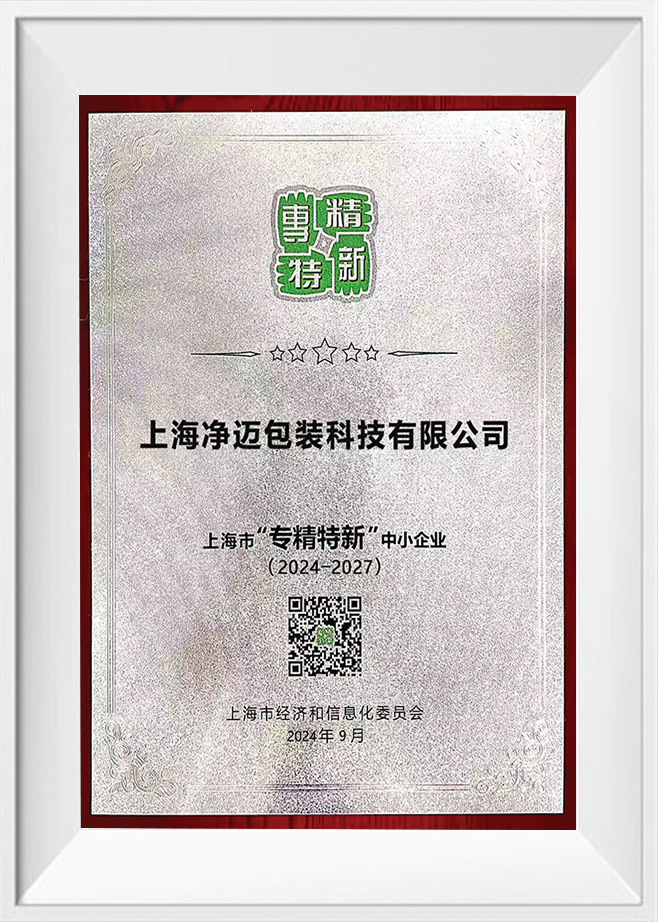
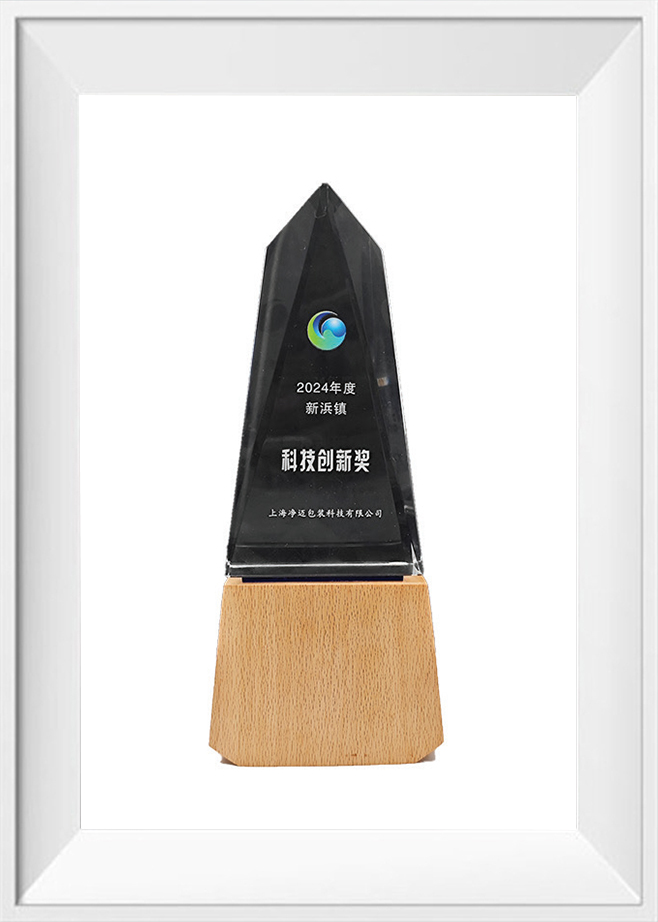
Onur Belgesi
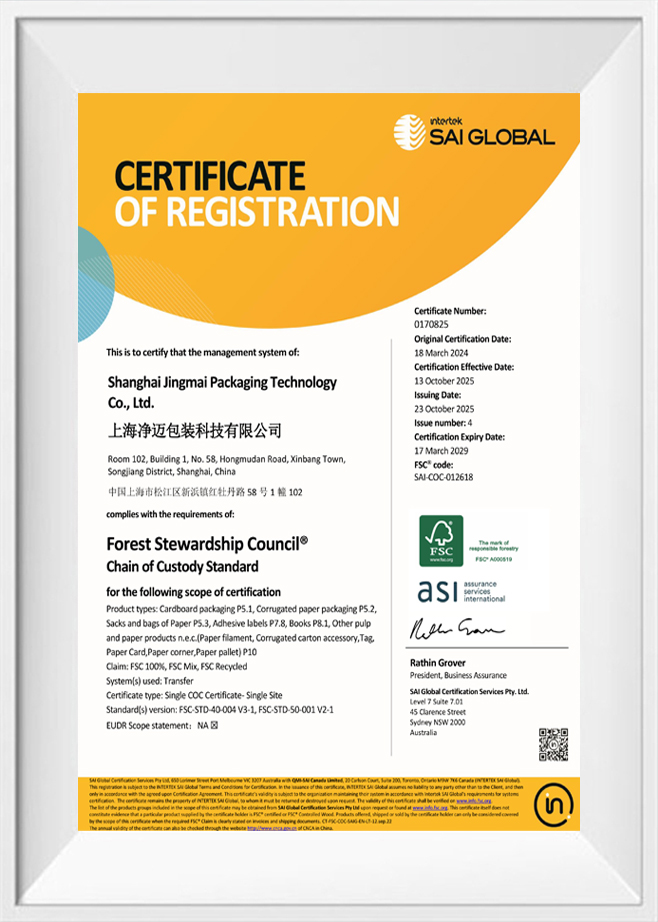
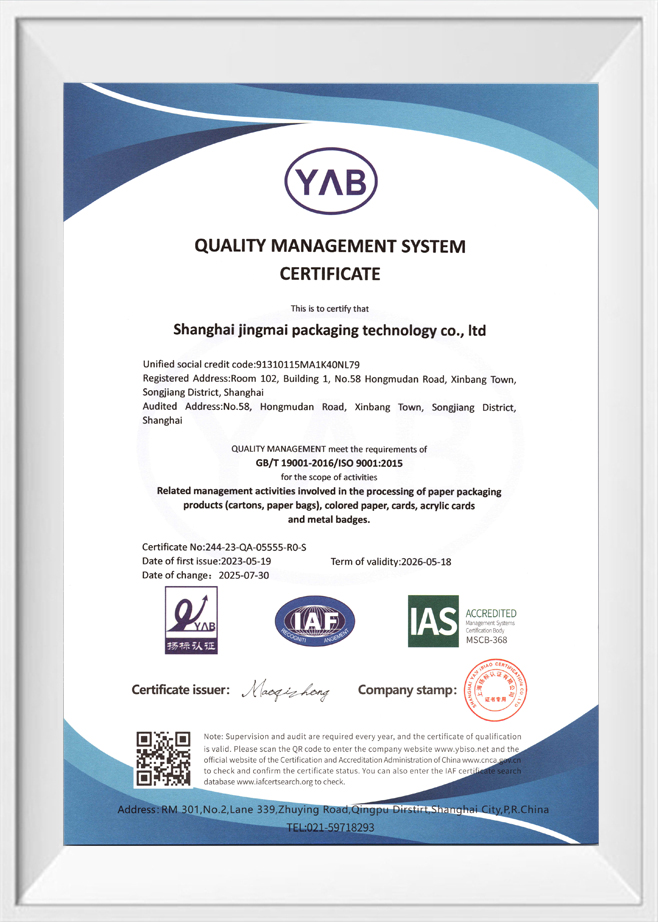
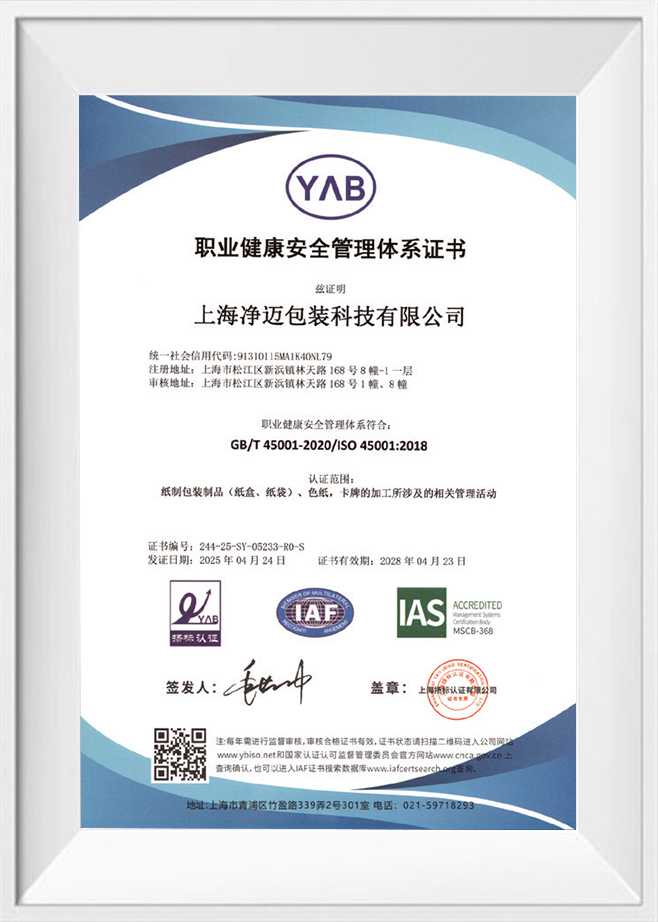
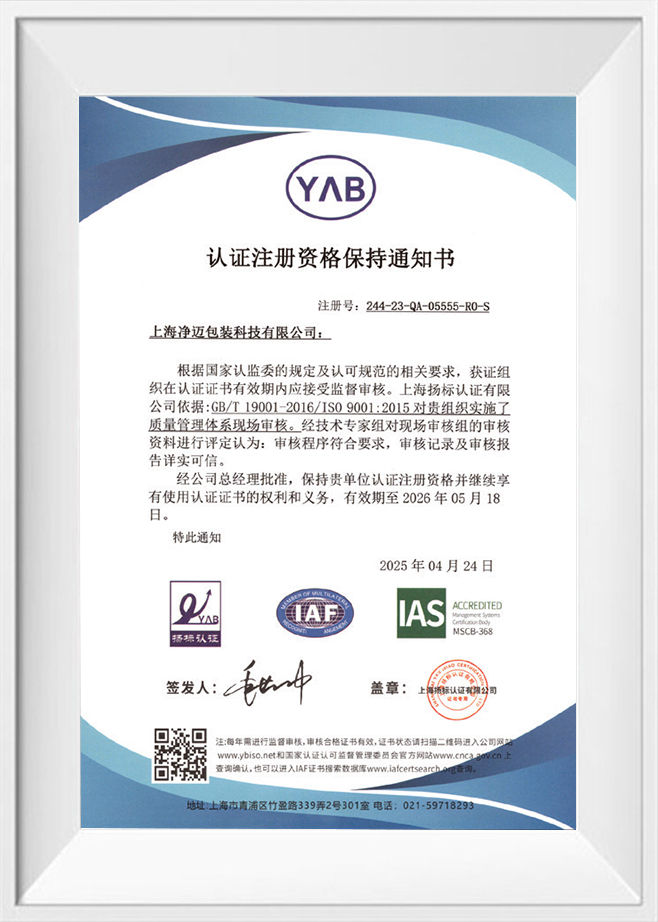
Haberler
-
Yapısal Bütünlük ve Ürün Koruması Kozmetik formülasyonların ve hassas cam kapların korunması, kutu yapımında yüksek düzeyde mühendislik gerektiren bir yaklaşım gerektirir. Güvenilir bir hediye paketinin temeli, bükülmeye, ezilmeye ve kazara düşmeye karşı dayanıklı, sağlam bir iskelet çerçeve sağlayan, genellikle ...
Read More -
Çikolata Ambalaj Kutuları Neden Kritik Bir Ürün Kararıdır? Çikolata, dünyadaki ambalajlamaya en duyarlı gıda ürünlerinden biridir. Eşsiz fiziksel kimyası (oda sıcaklığının hemen üzerindeki sıcaklıklarda eriyen bir kakao yağı matrisi, ortamdaki nemi ve yabancı aromaları kolayca emen gözenekli bir yüzey ve havaya m...
Read More -
Her Kozmetik Ambalaj Kutusunun Yerine Getirmesi Gereken Dört Görev Kozmetik ambalaj kutuları ürün koruması, kullanıcı rahatlığı ve marka değeri ifadesini dengeleyecek ve aynı zamanda günlük banyo kullanımından hareket halindeyken rötuşlara ve premium hediye satın alımlarına kadar farklı tüketici se...
Read More -
Bir hediyenin sunulma şekli, hediyenin kendisi kadar iletişim kurar. Alıcının ilk izleniminin daha kutu açılmadan başladığı kozmetik hediye dünyasında paketleme kararları büyük önem taşıyor. Nötr renkler, şıklığı, çok yönlülüğü ve zamansız çekiciliği, cesur veya trend odaklı paletlerin kopyalayamayacağı bir şekilde ...
Read More
Mesaj Geri Bildirimi
Endüstri bilgisi
Material Selection Strategies for Home Textile Packaging Boxes
In home textile packaging boxes, material choice directly affects compression resistance, moisture protection, and shelf presentation. Beyond common greyboard and coated paper, many brands now combine high-density paperboard with laminated art paper to balance rigidity and print clarity. For bulky items like quilts or blankets, increasing grammage alone is not always effective; structural reinforcement through double-wall folding or edge wrapping often delivers better load-bearing performance. In our own production, we often advise optimizing structure first before upgrading material grades to control cost without sacrificing strength.
- High-density paperboard improves stacking strength during warehouse storage.
- Laminated surfaces enhance moisture resistance for long-distance logistics.
- Composite structures reduce deformation compared with single-layer solutions.
Printing Accuracy and Color Consistency Control
Home textile packaging boxes often rely on large color blocks and soft gradients to convey comfort and quality. This makes printing consistency more critical than complex graphics. Precise color management, plate calibration, and stable ink density are essential to avoid visible color shifts between batches. We rely on standardized proofing and press adjustment processes to ensure that repeated orders maintain consistent visual output, which is especially important for OEM clients managing multiple product lines.
Hot stamping and spot UV are frequently used to enhance brand logos, but excessive decorative processes can interfere with recyclability. Practical designs balance visual appeal with functional printing stability, ensuring smooth large-scale production in automated environments.
Structural Design and Assembly Efficiency
Efficient structural design in home textile packaging boxes reduces assembly time and labor costs. Box styles such as foldable rigid boxes or pre-glued structures are increasingly popular for high-volume orders. From a manufacturing perspective, designs compatible with automatic box-making machines achieve better consistency and reduce error rates. In our workshop, automated die-cutting and box forming allow us to handle complex structures while maintaining stable output.
| Structure Type | Assembly Speed | Suitable Products |
| Foldable Rigid Box | High | Blankets, Comforters |
| Drawer Box | Medium | Bedding Sets |
Quality Control Points in Large-Scale Production
When producing home textile packaging boxes at scale, quality control focuses less on individual defects and more on process stability. Key inspection points include die-cut accuracy, glue adhesion strength, and surface finish consistency. ISO9001-based quality systems emphasize traceability, enabling quick identification of deviations during mass production. From our experience, stable equipment performance and trained operators are just as important as final inspection.
- Die-cut tolerance directly affects box assembly precision.
- Glue curing time impacts long-term structural stability.
- Surface inspection prevents batch-level appearance issues.
Sustainability Considerations in Home Textile Packaging
Sustainability in home textile packaging boxes is no longer limited to recyclable materials. Practical improvements include reducing unnecessary inner trays, optimizing box size to lower shipping volume, and choosing water-based adhesives. These adjustments often improve logistics efficiency while supporting environmental goals. In our OEM projects, we frequently integrate such optimizations early in the design phase, helping clients meet market expectations without increasing overall packaging costs.
From production scale to clean workshop management, aligning sustainability with efficient manufacturing ensures that eco-friendly packaging remains commercially viable in long-term supply chains.

-
E-posta
[email protected]Telefon Numarası
+86-15300896380 -
Adres
No. 58 Hongmudan Road, Songjiang District, Shanghai, China -
Hızlı Bağlantılar
Ana sayfa Hakkımızda Hizmet Endüstriler Haberler İletişim -
Ürünler
Gıda Ambalajı Kozmetik Ambalajlar Hediye Paketleme Giyim Ambalajları Ev Tekstili Ambalajı Kağıt Ambalaj Kutuları -
bizimle iletişime geçmekten çekinmeyin
Telif hakkı ©
Shanghai Jingmai Ambalaj Teknolojisi Co, Ltd
Tüm Hakları Saklıdır.

